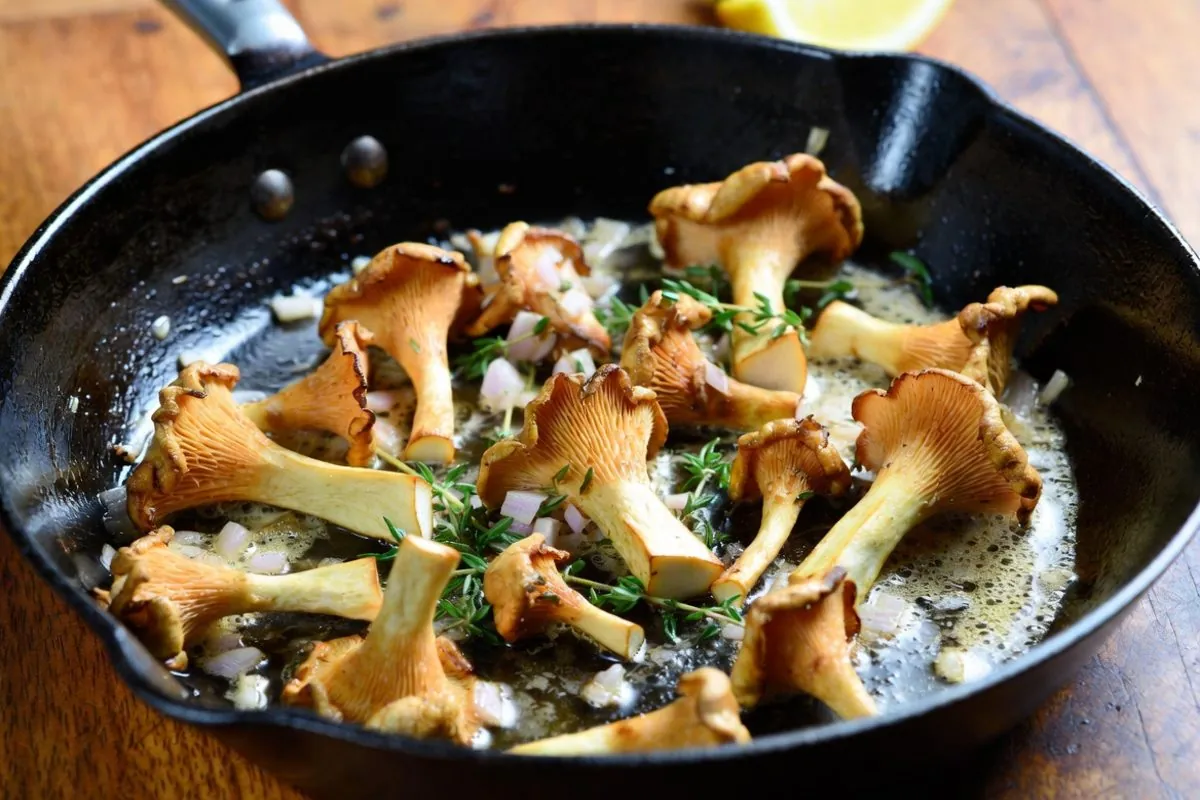
Why the dry pan matters
Chanterelles hold a lot of water. Fat added too early traps that water and the mushrooms boil in it, turning slimy. Starting in a dry pan lets the moisture escape first, which concentrates the fruity, apricot-like aroma chanterelles are prized for and leaves the edges free to crisp in the butter at the end.
Safety first: true chanterelles vs. false look-alikes
True chanterelles have ridges, or false gills, rather than true blade-like gills. These blunt, wavy folds run down the stem and do not separate easily from the cap.
- The spore print is white to creamy yellow.
- Jack-O'Lantern mushrooms have true, sharp, unbranched gills and grow in clusters on decaying wood.
- Buy from a market or have an experienced forager verify your find — this page is a cooking guide, not an identification manual.
The golden rule of cleaning
Never soak chanterelles in water. They absorb excess moisture and turn slimy when cooked.
Dry-Sautéed Chanterelles with Butter and Thyme
Ingredient amounts are scaled. The steps below still quote the original amounts — follow the list above.
Ingredients
Instructions
Cook times
| Method | Time | Done when |
|---|---|---|
| Dry sauté | 8–10 min | Pan dry, edges lightly crisp. |
Small fixes that matter
- True chanterelles have blunt false gills that run down the stem.
- A true golden chanterelle has a white-to-creamy yellow spore print.
- Avoid Jack-O'Lantern mushrooms: true sharp gills and clustered growth on wood are danger signs.
Variations
- Cream sauce: after the butter step, add 1/2 cup heavy cream and simmer 2 minutes, then toss with pasta.
- Wine finish: deglaze with a splash of dry white wine just before the butter goes in.
- Eggs: fold the finished mushrooms into soft scrambled eggs or an omelet.
- Toast: pile onto buttered sourdough and finish with flaky salt.
Storage and reheating
- Fresh, uncooked: keep in a paper bag in the fridge for 4–5 days. A sealed plastic bag makes them sweat and spoil fast.
- Cooked: refrigerate in an airtight container up to 3 days. Reheat in a dry skillet over medium heat — the microwave turns them rubbery.
- Freezing: dry-sauté first (through step 4), cool, then freeze up to 3 months. Freezing raw chanterelles ruins the texture.
- Drying: not worth it. Chanterelles turn leathery and never fully rehydrate — sauté and freeze them instead.
- Drying is not recommended for chanterelles; unlike porcini, they rehydrate leathery.
Frequently asked questions
Can you eat chanterelles raw?
No. Raw chanterelles are hard to digest and can cause stomach upset, and their apricot-like aroma only develops with heat. Always cook them through.
Should you wash chanterelles?
Brush them clean when you can. If they are truly muddy, rinse them quickly under running water and dry them well right away — never soak them, or they turn slimy in the pan.
Why did my chanterelles turn out slimy or rubbery?
Almost always one of two things: they were soaked in water before cooking, or the pan was crowded so their moisture could not evaporate. Use a wide pan, work in batches, and keep cooking until the pan looks dry.
How do I know when chanterelles are done?
The released liquid has cooked away, the pan looks dry, and the edges are lightly crisp while the centers stay tender. That usually takes 8–10 minutes total.
Are wild chanterelles safe to cook?
Only if they are positively identified. The dangerous look-alike, the Jack-O’Lantern, has true sharp gills and grows in clusters on wood. If you have any doubt, buy chanterelles from a market instead.
Good with
toast, cream sauces, eggs, pasta.
Related guides
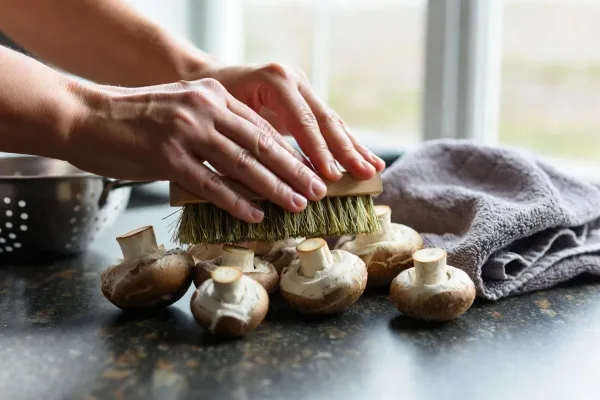 4 minHow to clean mushrooms before cookingClean mushrooms with a brush, damp towel, or a quick rinse—never a soak. What to use for each variety so they brown instead of steam.
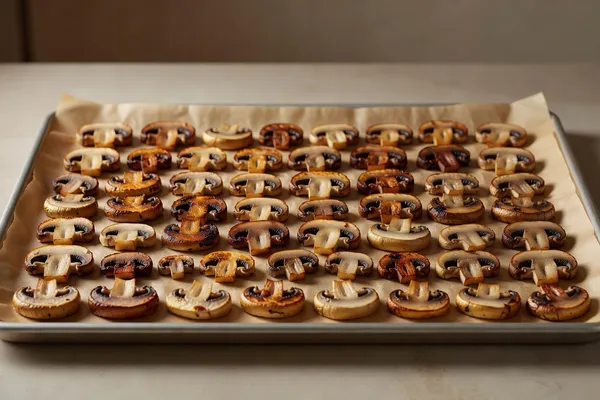 6 minHow to freeze mushrooms without ruining themFreeze mushrooms after cooking, not raw: sauté or steam them first, cool them completely, then freeze flat in portions for up to 3 months.
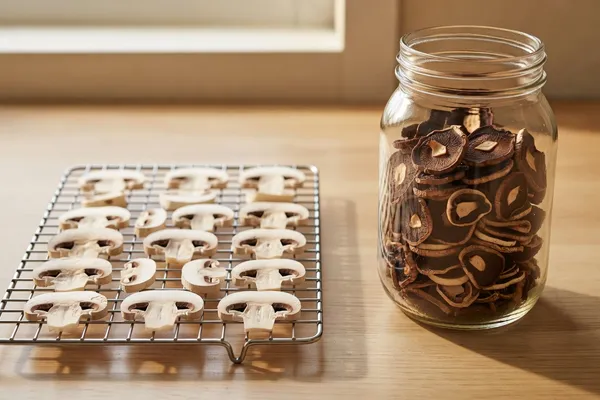 7 minHow to dry mushrooms (and which ones not to)Dry mushrooms at 125–135°F until they snap rather than bend — 4 to 10 hours in a dehydrator, 2 to 4 in an oven. Slicing, conditioning, and storage.