The 30-second answer
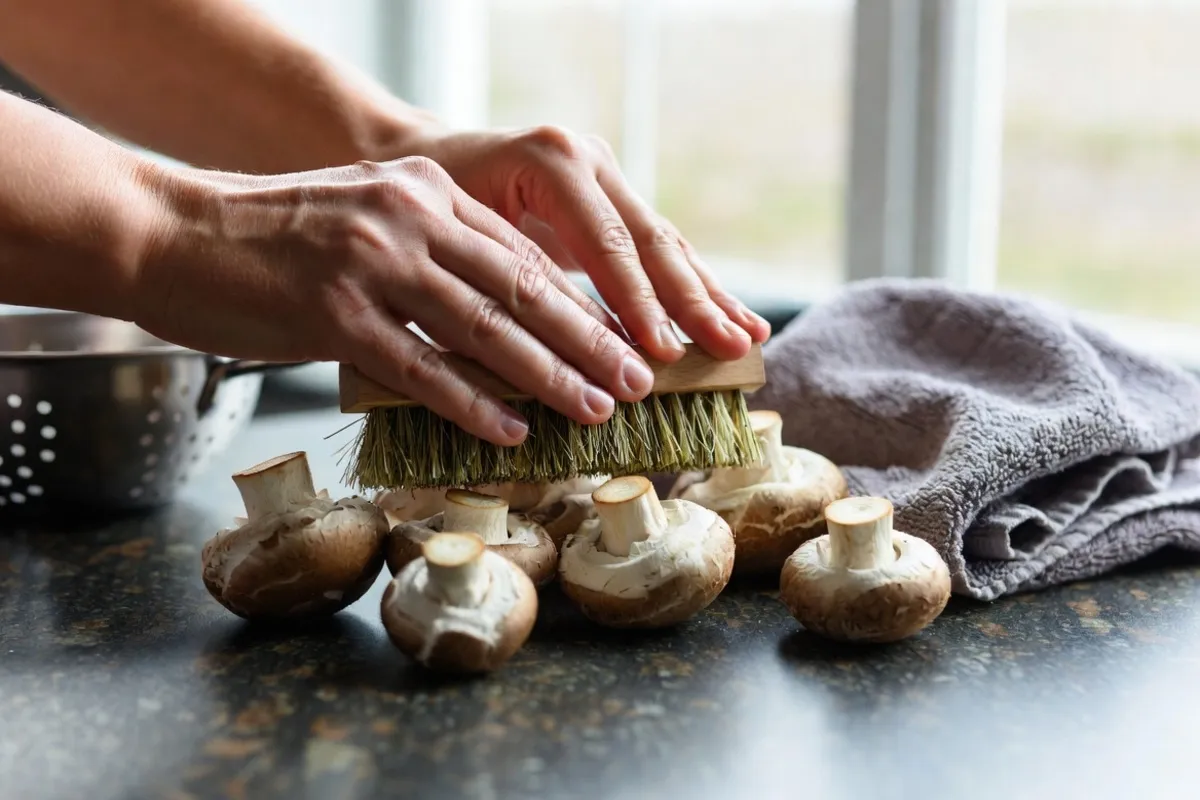
Brush or wipe most mushrooms clean. Use a quick rinse only when they are truly muddy, then dry them thoroughly. Never leave mushrooms soaking in a bowl of water.
The golden rule
Clean mushrooms quickly, then dry them completely before they reach a hot pan.
Why soaking gets in the way
Mushrooms already release water as they cook. Soaking leaves extra water on and in the surface, which keeps the pan wet longer and delays the browned edges you want.
Choose the right tool
- Soft brush: best for loose soil on smooth button, cremini, portobello, and king oyster caps.
- Damp towel: useful for a few stubborn spots when the mushrooms are otherwise clean.
- Colander rinse: use for muddy mushrooms, then dry them on a towel right away.
Clean by variety
- Smooth caps: brush or wipe button, cremini, and portobello mushrooms.
- Delicate clusters: trim the base of oyster, enoki, or shimeji, then brush or rinse gently and dry well.
- Folded wild types: market-purchased chanterelles, morels, and black trumpets can trap grit; brush first, then rinse briefly only if needed.
- Dense stems: wipe lobster and king oyster mushrooms; trim the dry end instead of peeling them.
Sliced, pre-cut, and stored mushrooms
Use pre-sliced mushrooms as packed unless you can see dirt. If you rinse them, dry them especially well because their cut surfaces hold water. Keep fresh mushrooms unwashed in a paper bag, then clean them immediately before cooking.
Fast method
- Brush off loose dirt with a soft mushroom brush or a dry paper towel.
- Wipe any remaining soil with a barely damp towel.
- If mushrooms are muddy, rinse them briefly in a colander under cool running water instead of soaking them.
- Spread them on a clean towel and pat dry until the caps and stems no longer feel wet.
- Trim only the dry stem ends, then cut and cook the mushrooms right away.
Small fixes that matter
- A short rinse does not ruin mushrooms; leaving surface water on them slows browning.
- Lift grit-prone mushrooms out of rinse water instead of pouring the water over them again.
- Clean mushrooms just before cooking, not before storage.
Variations
- Muddy caps: rinse in a colander for a few seconds, then dry on a towel.
- Morels: halve lengthwise so you can inspect the hollow center before cooking.
- Pre-sliced mushrooms: skip rinsing unless dirt is visible, then dry the cut sides well.
Storage and reheating
- Keep fresh mushrooms unwashed in a paper bag in the refrigerator until you are ready to cook.
- Use cleaned mushrooms immediately when possible; surface moisture shortens their best texture window.
- If you must hold cleaned mushrooms, refrigerate them loosely covered on a towel and use them the same day.
Frequently asked questions
Should you wash mushrooms or just wipe them?
Brush or wipe lightly soiled mushrooms. A brief rinse is fine when they are muddy, as long as you dry them thoroughly before cooking.
Can you soak mushrooms to clean them?
No. Soaking leaves them waterlogged and makes browning harder. Use a brief rinse instead when water is necessary.
How do you clean baby bella mushrooms?
Baby bella mushrooms are cremini mushrooms. Brush or wipe the caps, trim dry stem ends, and rinse only if visible soil remains.
How do you get grit out of morels or wild mushrooms?
Use only market-purchased mushrooms or mushrooms verified by a qualified expert. Halve hollow morels, brush away loose grit, rinse briefly if needed, then dry them well.
Do pre-sliced mushrooms need cleaning?
Usually no. If they are visibly dirty, rinse them briefly and dry the cut surfaces very well before cooking.
Good with
the pan mushroom method, air-fryer mushrooms, roasted mushrooms, garlic-butter mushrooms.
Related guides
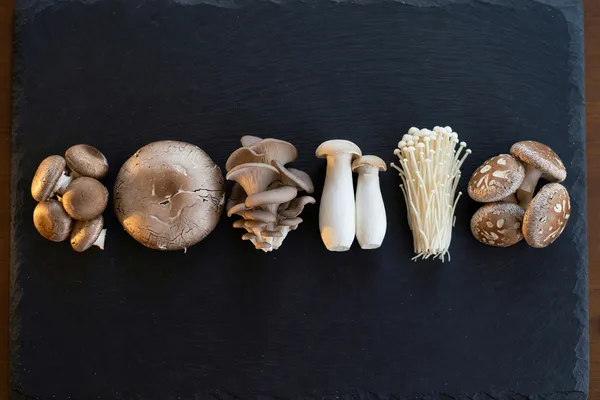 9 minTypes of edible mushrooms and how to cook eachThe edible mushrooms worth cooking, what each one tastes like, and the method that suits it — from everyday cremini to chanterelles, morels and matsutake.
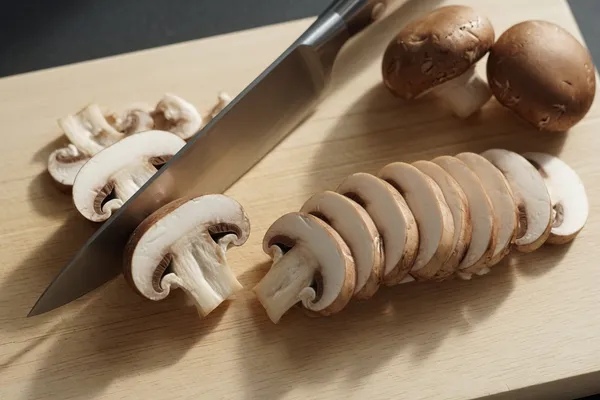 5 minHow to cut mushroomsSlice mushrooms about 1/4 inch thick for the pan, halve or quarter them for roasting, and tear oyster and maitake by hand rather than cutting them.
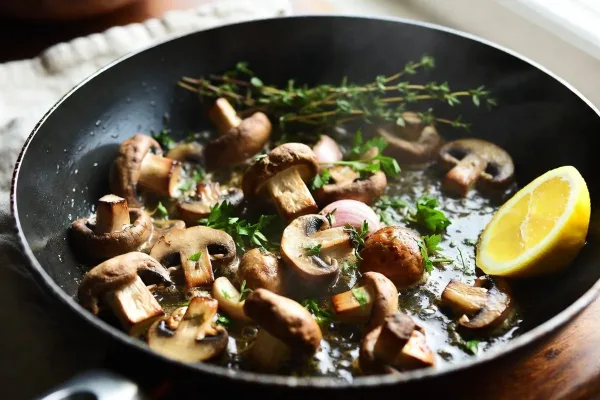 4 minHow to cook cremini mushroomsLearn how to cook cremini mushrooms until browned and juicy, with garlic, thyme, and a quick pan finish for weeknight meals.
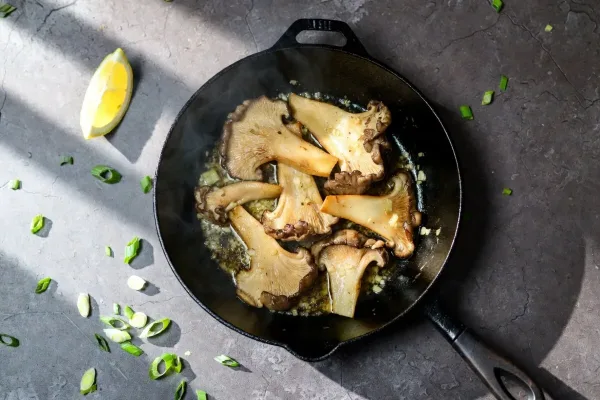 6 minHow to cook oyster mushroomsLearn how to cook oyster mushrooms until their edges turn crisp, then finish them with garlic, butter, soy, lemon, and scallions.
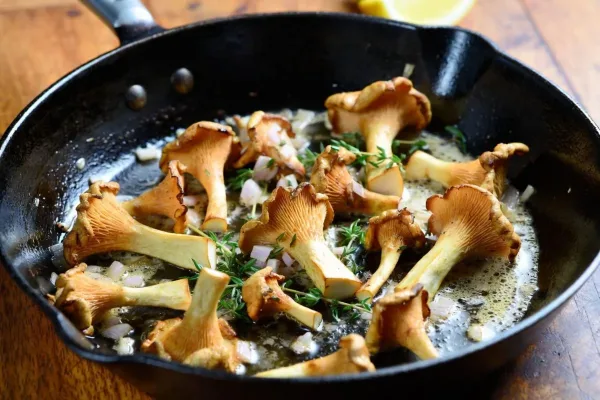 7 minHow to cook chanterelle mushroomsDry-sauté chanterelles until their water cooks off, then add butter, shallot, and thyme for tender centers and lightly crisp edges.
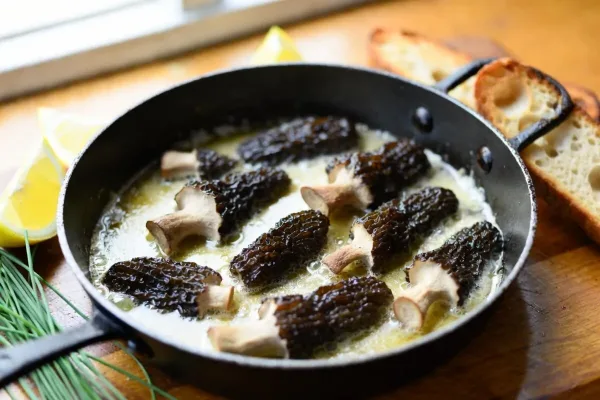 7 minHow to cook morel mushroomsLearn how to clean and cook morel mushrooms safely with butter, garlic, and herbs for a crisp outside and tender, earthy center.
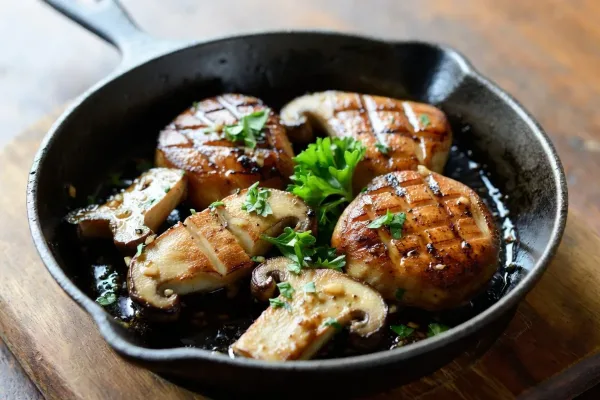 6 minHow to cook king oyster mushroomsLearn how to cook king oyster mushrooms into browned, meaty slices with a crisp edge, tender center, and quick garlic-butter pan sauce.
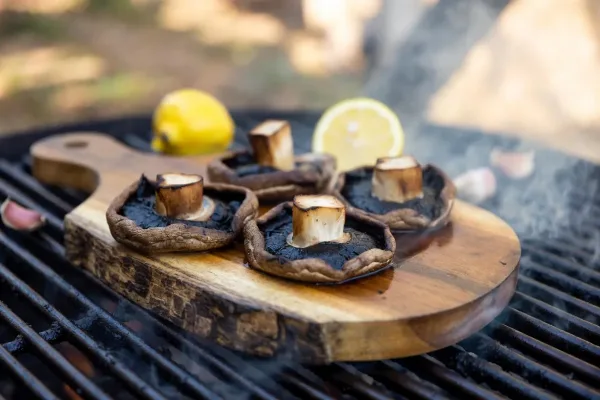 5 minHow to cook portobello mushroomsCook portobello mushrooms until tender and browned, using a savory marinade, high heat, and a clean finish for plates or buns.
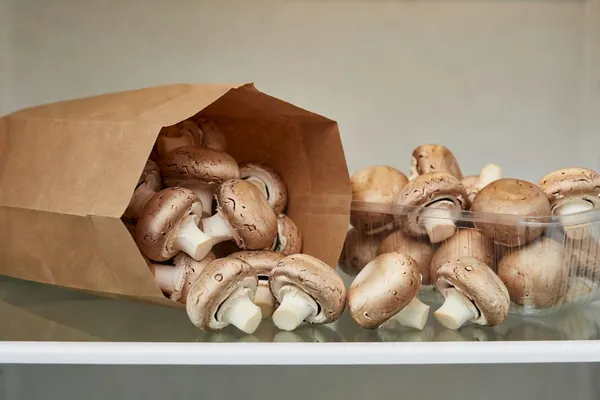 6 minHow to store mushrooms after cleaningStore mushrooms unwashed in their vented carton or a paper bag on a main fridge shelf, never sealed plastic. Shelf life by variety and when to cook them.
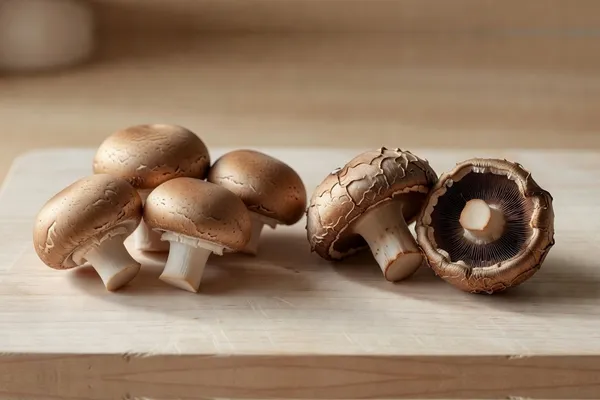 6 minHow to tell if mushrooms are badMushrooms have gone bad when they feel slimy, smell sour or fishy, or grow fuzzy mold. Wrinkles and dark caps are usually still fine to cook.