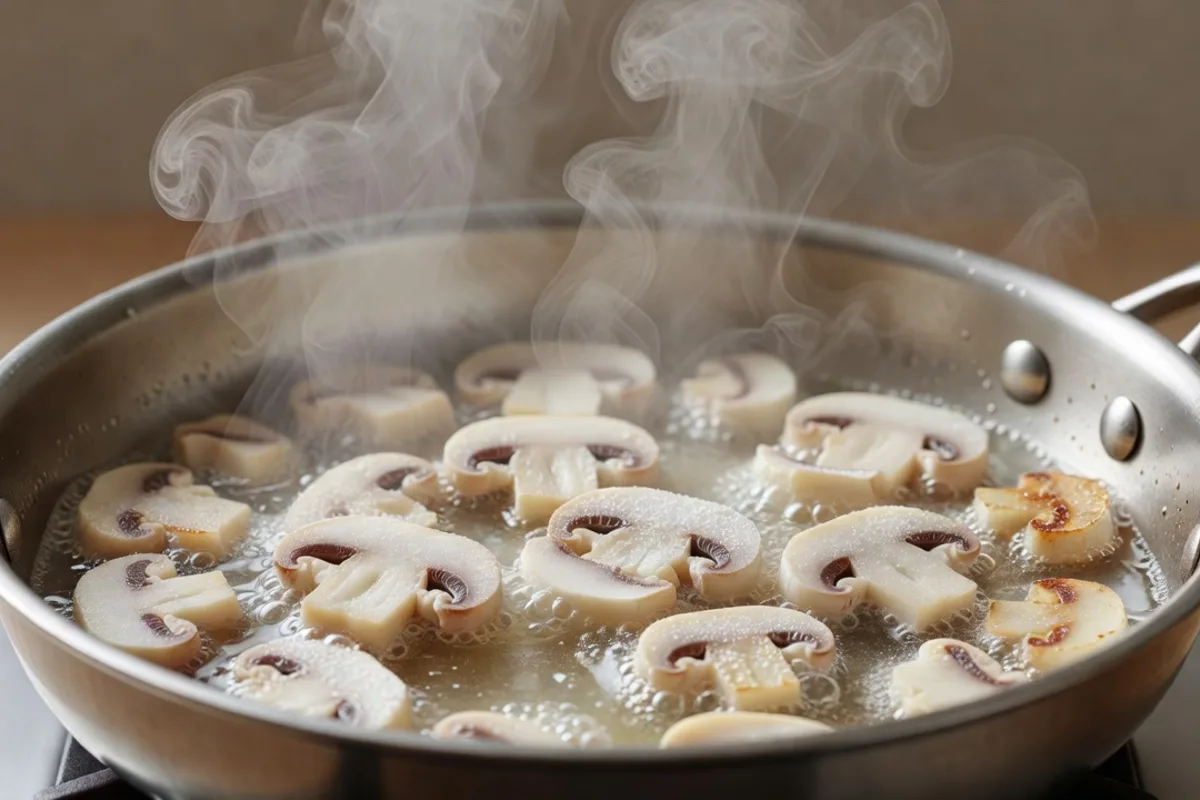
Why you should not thaw frozen mushrooms
Mushrooms are roughly 90 percent water. Freezing turns that water into ice crystals that puncture the cell walls, so a thawed mushroom slumps and weeps liquid before it ever hits heat. Cooking from frozen skips that stage: the ice goes straight to steam in a hot pan, and the mushrooms hold their shape long enough to brown at the end.
What frozen mushrooms are good for
Frozen mushrooms will never sear like fresh ones — the texture is softer no matter how carefully you cook them. That makes them excellent where they are one component among many, and poor where they are the star.
- Good: soups, stews, pasta sauces, gravies, risotto, pizza toppings, omelets.
- Poor: standalone sautéed side dishes, salads, anything raw, or dishes where a firm bite is the point.
- If you want a browned mushroom side, buy fresh — see the pan guide for the method.
Freezing mushrooms yourself
Cook them first — sauté or steam, cool completely, then freeze in a single layer before bagging. Raw home-frozen mushrooms hold far less structure than commercially blanched ones and turn watery on cooking. Our guide to freezing mushrooms covers the sauté and blanch methods, portioning, and how long each keeps.
Skillet Frozen Mushrooms
Ingredient amounts are scaled. The steps below still quote the original amounts — follow the list above.
Ingredients
Instructions
Small fixes that matter
- Oil added at the start just floats on the melting ice and spits. Wait until the pan is dry.
- Frozen mushrooms release far more liquid than fresh, so use a wider pan than you think you need.
- Never refreeze mushrooms that have thawed. The texture collapses and the water loss is permanent.
- Commercially frozen mushrooms are usually blanched first, so they soften faster than ones you froze at home raw.
Variations
- Straight to soup: skip the browning step and add the frozen mushrooms directly to simmering broth.
- Cream sauce: after browning, add 1/2 cup heavy cream and reduce 3 minutes, then toss with pasta.
- Garlic butter toast: chop finer after cooking and pile onto sourdough with the pan butter.
- Gravy base: deglaze the browned mushrooms with stock and thicken with a cornstarch slurry.
Storage and reheating
- Keep frozen at 0°F / −18°C until the moment you cook; do not let the bag sit out on the counter.
- Cooked leftovers keep in the fridge for up to 3 days in an airtight container.
- Never refreeze thawed mushrooms — texture and food safety both suffer.
- To freeze your own: sauté or steam first, cool completely, freeze in a single layer, then bag for up to 3 months.
Frequently asked questions
Can you cook mushrooms straight from frozen?
Yes, and you should. Put them in a hot dry pan without thawing and let the ice water boil off first. Thawing beforehand makes them limp and watery.
Why are my frozen mushrooms slimy?
Either they were thawed before cooking, or the water was never fully driven off in the pan. Keep cooking until the liquid has evaporated and you hear sizzling rather than bubbling.
Do frozen mushrooms taste as good as fresh?
The flavor holds up well; the texture does not. Use them where softness does not matter — soups, sauces, gravies — and use fresh when you want browned, meaty pieces.
Do you need to wash frozen mushrooms?
No. Commercially frozen mushrooms are cleaned before freezing, and rinsing only adds more water for you to cook off.
How long do frozen mushrooms keep?
About 9 to 12 months at 0°F / −18°C for commercially frozen, and closer to 3 months for ones you cooked and froze at home. They stay safe longer but lose flavor.
Good with
soups, pasta sauces, gravy, risotto, omelets, stews.
Related guides
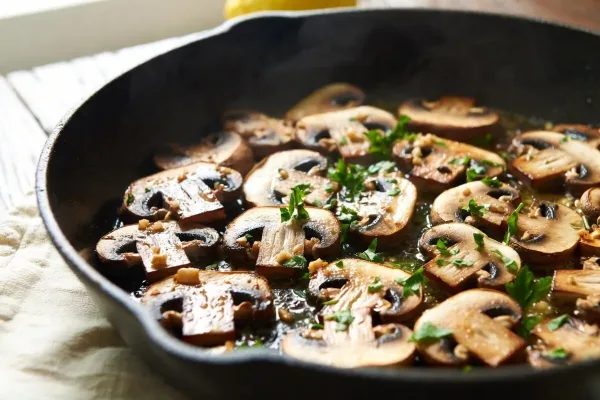 6 minHow to cook mushrooms in a panCook mushrooms in a hot pan until browned and juicy, with simple timing for tender centers, crisp edges, and a savory finish.
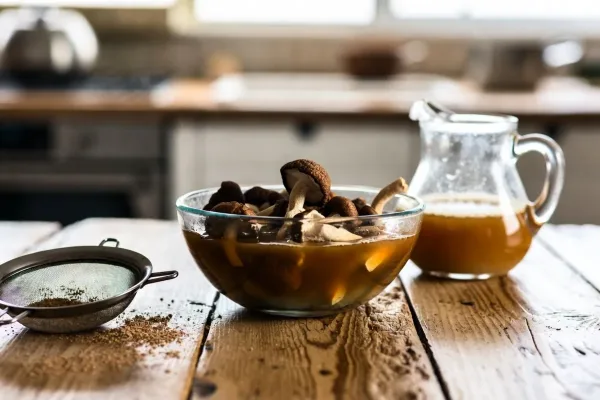 6 minHow to cook dried mushroomsRehydrate dried mushrooms in hot water for 20–30 minutes, strain the soaking liquid, and use both in soups, pasta, risotto, and rice.
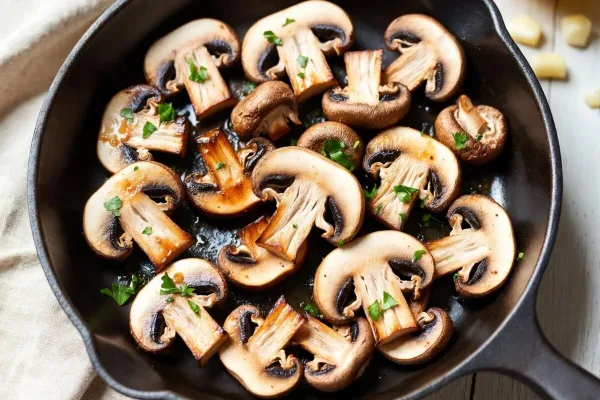 7 minHow to cook mushrooms so they brown, not steamCook sliced mushrooms in a wide hot skillet for 8–10 minutes, then add garlic butter once the pan is dry and the edges are deep brown.
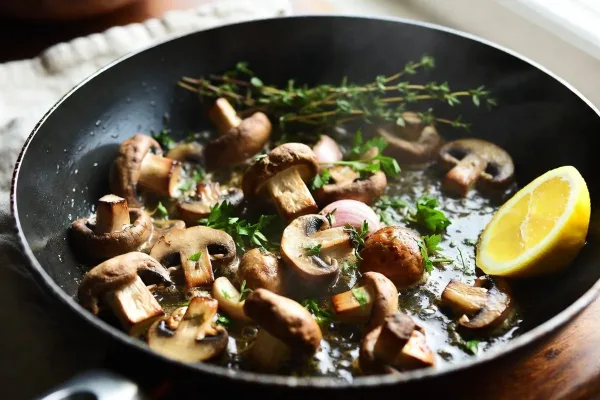 4 minHow to cook cremini mushroomsLearn how to cook cremini mushrooms until browned and juicy, with garlic, thyme, and a quick pan finish for weeknight meals.
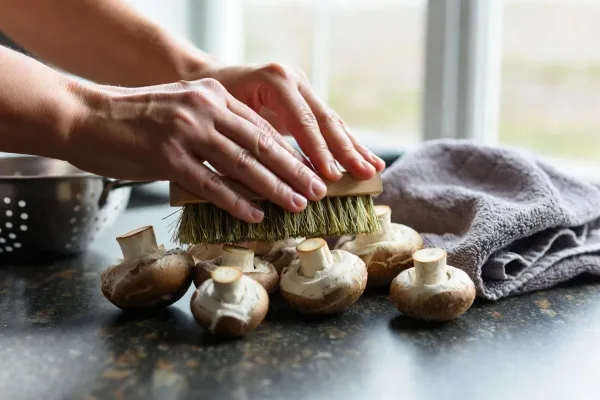 4 minHow to clean mushrooms before cookingClean mushrooms with a brush, damp towel, or a quick rinse—never a soak. What to use for each variety so they brown instead of steam.
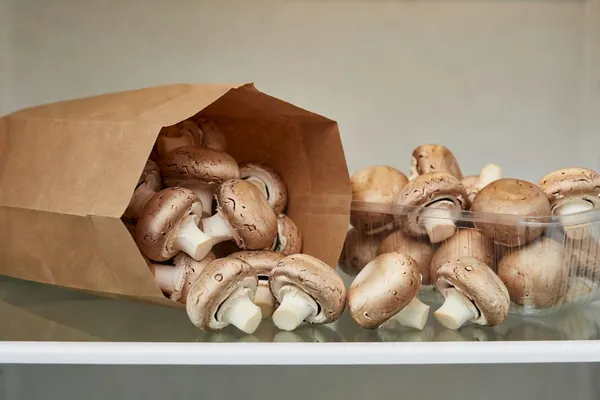 6 minHow to store fresh mushrooms before they get hereStore mushrooms unwashed in their vented carton or a paper bag on a main fridge shelf, never sealed plastic. Shelf life by variety and when to cook them.
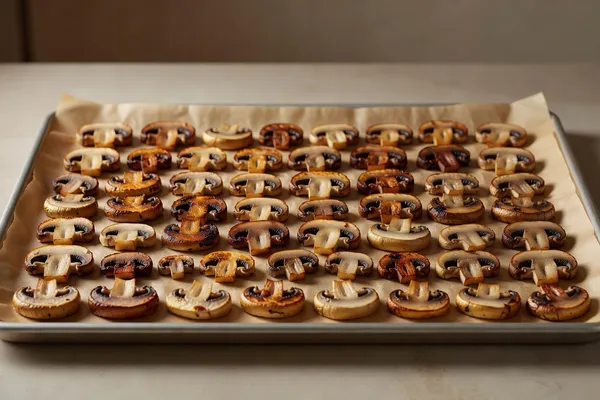 6 minHow to freeze mushrooms yourselfFreeze mushrooms after cooking, not raw: sauté or steam them first, cool them completely, then freeze flat in portions for up to 3 months.