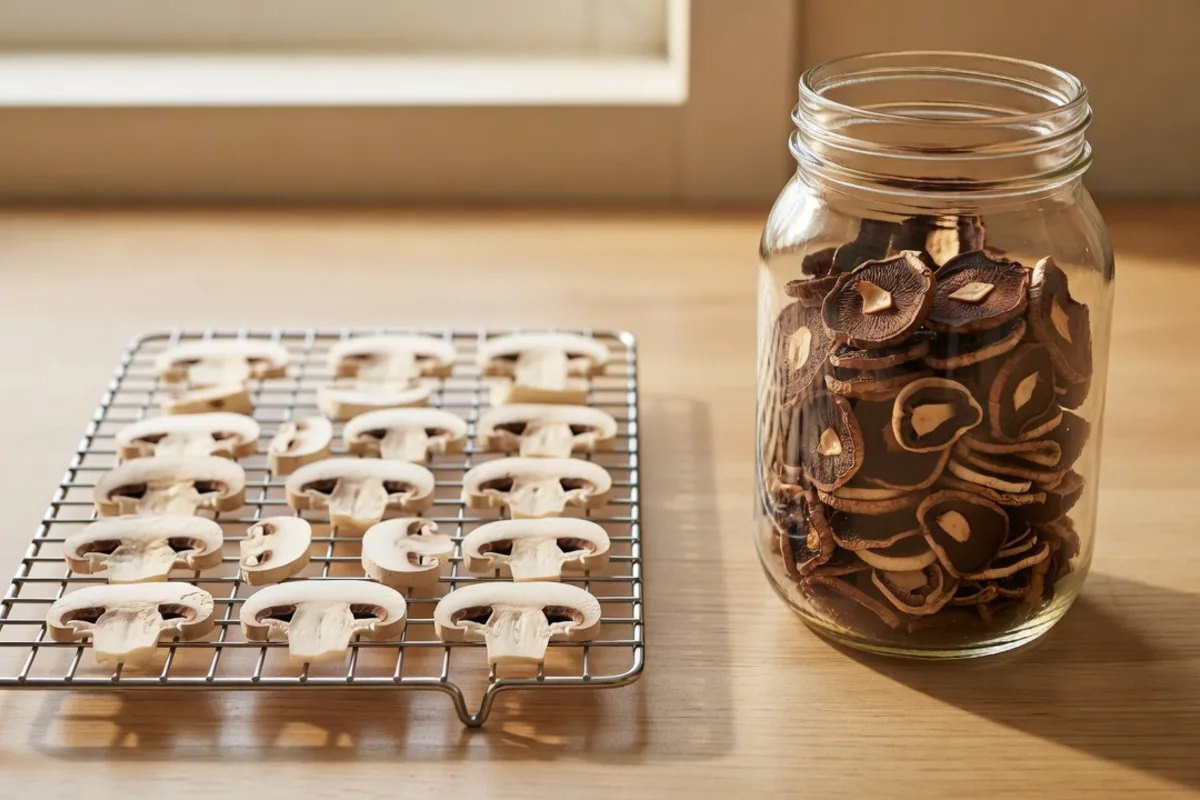
The 30-second answer
Slice clean mushrooms about 1/4 inch thick, spread them in a single layer, and dry them at 125–135°F until a cooled slice snaps instead of bending. That is 4 to 8 hours in a dehydrator and 2 to 4 in an oven set to its lowest temperature with the door propped open. Then condition them in a jar for a week to catch any moisture you missed. Done properly they keep about a year, and they rehydrate into something more intensely flavoured than the fresh mushroom you started with.
The rule
Dry until they snap. A slice that bends is still holding water, and water left in the jar is what spoils the whole batch.
Prep: slice thin, slice even, do not wash
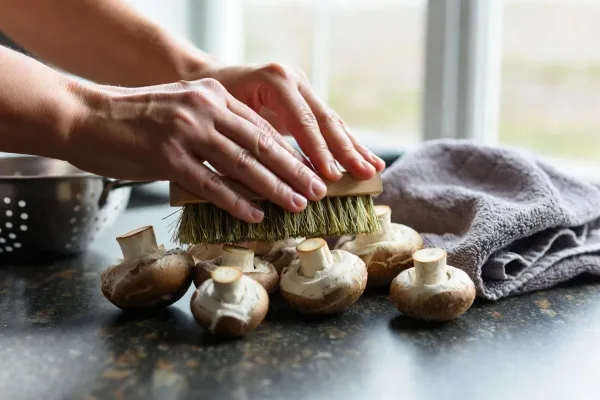
Brush or wipe the mushrooms rather than rinsing them. Water on the surface simply extends the drying time, and mushrooms that are about to lose 90 percent of their weight in moisture do not need any help getting wetter.
Slice about 1/4 inch thick — thinner dries faster and rehydrates quicker but turns brittle and loses pieces; much thicker risks a slice that feels dry outside while holding moisture in the middle, which is the single most common way a jar goes mouldy weeks later. Small mushrooms can be halved, and very small ones dried whole if you are patient.
Trim anything soft, bruised, or damp before it goes on the tray: drying preserves a mushroom, it does not improve one.
Dehydrator method
A dehydrator is the right tool because it holds a low temperature and moves air, which is exactly the combination drying wants. Set it to 125–135°F / 52–57°C, arrange the slices with space around each one, and rotate the trays every couple of hours if your model heats unevenly. Expect 4 to 8 hours for 1/4-inch slices and up to 10 or 12 for thick pieces or whole caps. Higher temperatures do not save much time and start to cook the mushrooms instead, which darkens them and dulls the aroma you are trying to concentrate.
Oven method
An oven works if you accept less control. Set it as low as it goes — 150–170°F on most ovens, which is already above ideal — and prop the door open with a wooden spoon so the moisture escapes instead of recirculating. Use wire racks over sheet pans so air reaches both sides, and turn the slices once an hour.
Most batches finish in 2 to 4 hours, but check from 90 minutes because the higher temperature means the margin between dried and toasted is narrow. If your oven has a convection setting, use it; if it has a dedicated dehydrate mode, use that and follow the dehydrator timings instead.
Air-drying, and when it works
Threading mushrooms on string and hanging them in a warm, dry, airy spot is the oldest method and still a good one — in the right climate. It needs low humidity and real air movement, and it takes days rather than hours. In a humid kitchen it does not work: the mushrooms sit damp long enough to mould before they dry. If your climate suits it, thread sliced mushrooms with a needle, leave gaps between them, hang them out of direct sun, and cover them loosely with muslin against insects. Otherwise use a machine and spend the time elsewhere.
The step almost everyone skips: conditioning
Conditioning is what separates a jar that lasts a year from one that grows mould in November. Individual slices finish at slightly different moisture levels, and sealing them together lets the wetter ones share their moisture with the rest.
So: cool the batch completely, pack it loosely into a clear jar at about two-thirds full, seal it, and leave it a week — shaking it once a day so nothing settles into a damp clump. Watch the inside of the glass. Any condensation, any softness returning to the slices, and the whole batch goes back on the trays for another hour or two. Only after a clear week does it go into permanent storage.
Which mushrooms are worth drying
Drying rewards dense, aromatic mushrooms and punishes delicate watery ones. Some varieties genuinely taste better dried than fresh, because the process concentrates their savoury compounds; others simply become leathery.
| Mushroom | Dries | What to expect |
|---|---|---|
| Porcini (market-purchased or verified) | Excellent | The classic. Flavour deepens dramatically; the soaking broth is worth as much as the mushroom |
| Shiitake | Excellent | Intensifies into something quite different from fresh; stems dry well for stock |
| Morels (market-purchased or verified) | Excellent | Traditional and reliable. Halve them first so the hollow interior dries through |
| Black trumpet | Excellent | Dries fast and keeps its dark, faintly truffle-like character |
| Maitake | Good | Break into fronds first; rehydrates well into soups |
| Button / cremini | Good | Works, but gains less than the others — usually better sautéed and frozen |
| Oyster | Fair | Thin edges go brittle and crumble; fine for powder |
| King oyster | Fair | Slice thin across the stem or it never dries through the middle |
| Chanterelles | Poor | A known disappointment — they turn leathery and never fully rehydrate. Sauté and freeze instead |
| Lion's mane | Poor | The spines break up and the texture that makes it worth eating does not come back |
| Enoki | Poor | Too fine. Dries to fragile threads with little flavour to show for it |
| Wood ear | Excellent | Dries and rehydrates perfectly, which is why it is nearly always sold this way |
Storing what you made
Airtight glass in a dark cupboard, away from the heat of the stove. Light and warmth fade the aroma long before the mushrooms look any different, which is the real failure mode of dried mushrooms — not spoilage, but a jar that quietly stops tasting of anything. A year is a reasonable expectation for good flavour, and they remain usable well beyond that. Vacuum sealing or a food-safe desiccant packet extends it further. Check the jar occasionally for condensation or clumping; either means moisture got in, and a batch showing actual mould goes out entirely rather than being picked through.
Mushroom powder, the best by-product
Do not throw away the broken pieces and dust at the bottom of the tray. Blitz dried mushrooms in a spice grinder or blender until they are a fine powder, and you have the most useful seasoning in the cupboard: a spoonful stirred into a stew, a gravy, a risotto, or a burger mix adds savoury depth with no soaking and no texture to accommodate.
Shiitake and porcini powder are the strongest. Store it exactly like the slices, airtight and dark, and expect the aroma to fade a little faster than whole pieces because there is so much more surface area.
What drying does and does not do
Drying removes the water that bacteria and moulds need, which is why a properly dried mushroom keeps for a year at room temperature. It does not make anything safe that was not safe already.
It does not neutralise the toxins in a misidentified mushroom, and it does not rescue a mushroom that was already slimy or sour when it went on the tray — start with mushrooms that were market-purchased or verified by an expert who handled the actual specimen, and start with mushrooms you would happily have cooked that day. Some varieties, including morels, must be cooked after rehydrating rather than eaten as-is.
Using them afterwards
Rehydrate in hot water for 20 to 30 minutes, then squeeze the pieces out and strain the soaking liquid through a coffee filter to catch the grit. That liquid is the point as much as the mushrooms are — it is a concentrated broth and it belongs in whatever you are making. Our guide to cooking dried mushrooms covers the soak, the strain, and what to do with both halves of the result.
Fast method
- Brush the mushrooms clean. Do not wash them — you are about to spend hours removing water, so adding more at the start is wasted time.
- Slice evenly, about 1/4 inch thick. Even thickness matters more than the exact number: a tray of mixed thicknesses finishes at wildly different times and the thick pieces are the ones that spoil the jar.
- Lay the slices in a single layer with space around them. Overlapping pieces trap moisture between them and dry unevenly.
- Dry at 125–135°F / 52–57°C. Check at 4 hours, then hourly. Most slices take 4 to 8 hours; thick pieces and whole small mushrooms can take 10 or more.
- Test on a cooled slice, not a warm one. Warm mushrooms feel pliable even when they are done. A properly dried slice snaps cleanly in half; one that bends needs more time.
- Cool completely, then condition: pack loosely into a jar, leave it a week, and shake it daily. Any condensation on the glass means moisture is still in there — return the whole batch to the heat.
- Store airtight in a dark cupboard, away from the stove. Label with the variety and the date.
Small fixes that matter
- Sort by thickness onto separate trays. Then you can pull one tray early instead of over-drying everything to rescue a few thick slices.
- A dehydrator is worth it if you do this more than twice a year. Ovens run hot even at their lowest setting, and the difference between drying and slowly cooking is about 20 degrees.
- Save the crumbs and broken pieces. Blitzed to a powder, they are the most useful thing to come out of this whole process.
- Do not dry different varieties on the same tray if you care which is which. Dried mushrooms are hard to tell apart and the aromas mingle.
Storage and reheating
- Airtight glass jar in a dark cupboard, away from the stove. Label with variety and date.
- Condition for a week before permanent storage; any condensation means back to the trays.
- About a year for good flavour; vacuum sealing or a desiccant packet extends it.
- Powder keeps the same way but fades faster — make it in small batches.
Frequently asked questions
What temperature do you dry mushrooms at?
125–135°F / 52–57°C. Hotter starts to cook them, which darkens the slices and dulls the aroma you are trying to concentrate. In an oven that cannot go that low, use the lowest setting with the door propped open and check much earlier.
How do you know when mushrooms are dry enough?
A cooled slice snaps cleanly in half. Test cooled, never warm — warm mushrooms feel pliable even when finished. Anything that bends still holds moisture and needs more time.
Can you dry mushrooms in the oven?
Yes. Set the oven to its lowest temperature, prop the door open with a wooden spoon so moisture escapes, and use wire racks so air reaches both sides. Most batches take 2 to 4 hours, but start checking at 90 minutes.
Should you wash mushrooms before drying them?
No. Brush or wipe them instead. Washing adds surface water to a process whose entire purpose is removing water, and it lengthens the drying time for no benefit.
How long do dried mushrooms last?
About a year with good flavour if they are airtight, dark, and away from heat, and they stay usable longer than that. The aroma fades well before they look any different, which is the real limit.
What is conditioning and do I have to do it?
Conditioning means resting the cooled batch in a sealed jar for a week, shaking daily, so moisture equalises between wetter and drier pieces. It is the step that prevents a jar going mouldy weeks later, and skipping it is the most common reason a batch fails.
Which mushrooms should not be dried?
Chanterelles turn leathery and never fully rehydrate; lion’s mane loses the texture that makes it worth eating; enoki is too fine to be worth the tray space. Sauté and freeze those instead.
Do you have to cook dried mushrooms after rehydrating?
Yes, treat them as you would the fresh mushroom. Rehydrating restores water, not doneness, and varieties that must be thoroughly cooked when fresh — morels among them — must still be thoroughly cooked after soaking.
Good with
broths, risotto, pasta sauces, braises, rubs and seasoning.
Related guides
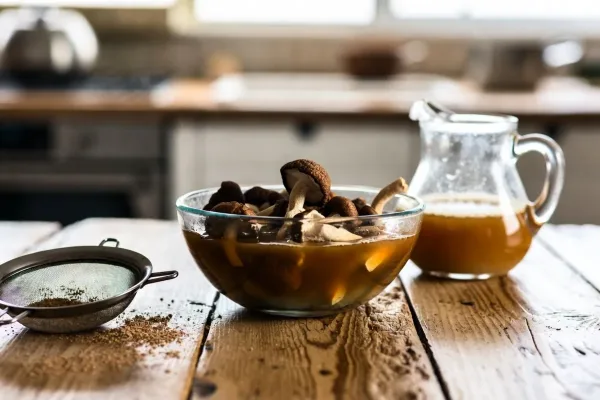 6 minHow to cook dried mushrooms and use the brothRehydrate dried mushrooms in hot water for 20–30 minutes, strain the soaking liquid, and use both in soups, pasta, risotto, and rice.
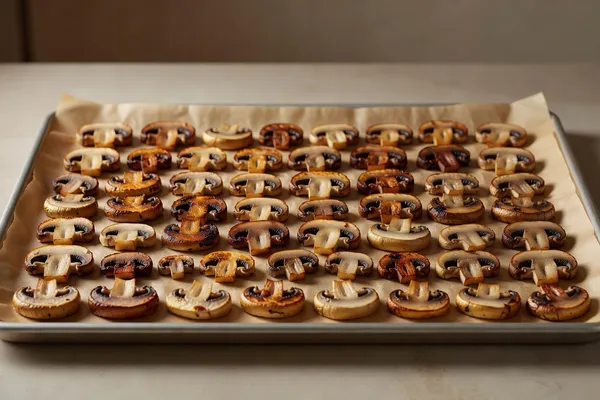 6 minHow to freeze mushrooms without ruining themFreeze mushrooms after cooking, not raw: sauté or steam them first, cool them completely, then freeze flat in portions for up to 3 months.
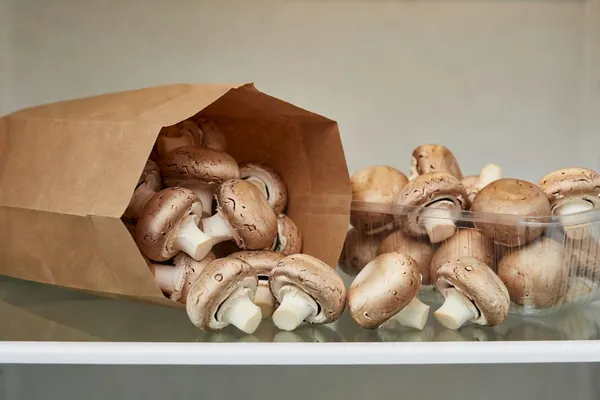 6 minHow to store mushrooms so they stay firmStore mushrooms unwashed in their vented carton or a paper bag on a main fridge shelf, never sealed plastic. Shelf life by variety and when to cook them.
 4 minHow to clean mushrooms before cookingClean mushrooms with a brush, damp towel, or a quick rinse—never a soak. What to use for each variety so they brown instead of steam.
 6 minHow to cook porcini mushroomsLearn how to cook porcini mushrooms in a hot skillet for browned edges, a tender center, and a bright garlic-butter finish.
 6 minHow to cook shiitake mushroomsLearn how to cook shiitake mushrooms until browned and tender, then finish them with garlic, thyme, soy sauce, and lemon.